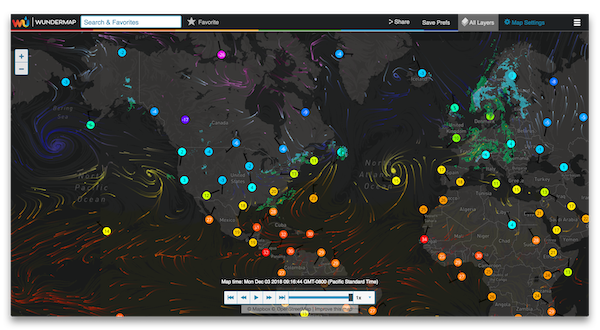
Canada is a huge country that borders on three oceans, the partially frozen Arctic Ocean, the Pacific and the Atlantic. On its southern end, it borders on the United States. It has maritime climates on the west and east sides, but a pronounced continental climate in-between.
Most of this huge and beautiful country is ice or snow-covered in winter. Storms frequently transit the country’s southern border. When air is allowed to sit under clear skies over the large, flat snow-covered areas east of the Canadian Rockies or over the ice and snow of the Canadian Arctic, it cools rapidly in the long Canadian winter nights. Pressures rise as the temperatures drop and the density of the air increases. These regions are source regions for these frigid air masses. These polar or arctic high pressure systems bring blasts of winter to the southern parts of Canada and the United States.
The only real exception to cold and snowy picture in winter is the western-most areas bordering in the Pacific. Coastal British Columbia has a climate very much like the British Isles. The prevailing westerly winds bring milder pacific air ashore. Powerful pacific storms bring heavy precipitation. It usually falls as rain right on the coast but heavy snow in the mountains. Even between storms, the moist pacific air brings clouds and drizzle to the lower elevations and snow showers to the mountains. In the mountains, the snow can pile up through the spring. Some years, the snow does not entirely melt in the relatively short summers.
In the central Prairie Provinces, winters are cold and snowy with frigid winds and dangerous wind chills. Snows are usually light but can be blown around in the winds into deep drifts. Blowing snows can also reduce visibility and make driving even more of a challenge. Behind disturbances, temperatures often dip into the double-digit negative degree range at night and barely budge during the short winter days.
In the populous St. Lawrence Valley and Great Lakes region of southern Canada, winters are similar to nearby United States cities. Very cold weather can alternate with milder weather. Heavy snow is common especially downwind of the Great Lakes. Deep snowpacks are common with snowcover usually steady from mid-December through much of March and many years well into April.
On the Atlantic coast of Canada, temperatures are less severe than the interior, in part due to some modification and moisture from the Atlantic. But the moisture means even more precipitation. The Atlantic nor’easters often bring very heavy snows, sometimes accompanied by sleet and even coastal rain in the Maritime Provinces. Gale or stronger winds often accompany the storms producing blizzard conditions. This region is among the stormiest regions in the hemisphere as storms crossing North America often converge on southeast Canada on their way out to sea.
Winters are long in Canada. Snow cover often lingers into April. Ice covers Hudson Bay 9 months of the year and is found in the arctic coast all year round. But during the late spring as the days grow rapidly longer, conditions do finally rapidly warm nicely in the interior. There is almost no spring here as conditions go quickly from winter to summer.
It can get surprisingly warm, even far to the north during the all-too-brief summer. The western coast summers belie the region’s reputation for being cloudy and wet all the time. Summers are actually very pleasant here with abundant sunshine, little rain and pleasant temperatures. Heavy showers and, sometimes, severe thunderstorms can develop in the central areas of Canada as an extension of the U.S. severe weather belt. Temperatures in this region are subject to great day-to-day fluctuations, especially early and late in the season.
In the far north, in the land of perpetual snow or ice, a few warm days occur but sub-freezing temperatures and snow can occur in any month.
In the eastern part of Canada, the Atlantic helps keep temperatures more comfortable in summer than the interior. The cold Labrador Current is also responsible for low clouds and fog that persists offshore and occasionally blows inland. Icebergs can drift south in the current and provide a further hazard to ships. The region offshore is among the foggiest regions on earth.
Summer fades quickly as nights grow rapidly longer in the fall. Snow and cold come early to the north. The Pacific storms begin their onslaught with monthly rain doubling monthly along the coast during the autumn. Inland that falls as snow which builds quickly in the mountains. In the eastern part of Canada, tropical storms often brush the region while being transformed into extra-tropical North Atlantic lows. They can bring gales and heavy rains.
EASTERN MARITIME CANADA
(NEWFOUNDLAND, LABRADOR, NOVA SCOTIA, NEW BRUNSWICK AND PRINCE EDWARD ISLAND)
The influence of the Atlantic Ocean modifies the climate of this part of Canada. It keeps winter temperature slightly higher and summer temperatures slightly cooler than the interior.
Many of the storms that affect North America exit the continent in this region. Their passage results in frequent day-to-day changes of weather in virtually every month. These storms cause precipitation to be evenly distributed throughout the year. In the winter, much of this falls as snow. In winter, coastal storms can produce heavy snows and gale force winds. In summer, rain and showers may be accompanied occasionally by thunder. In the late summer and fall, tropical storms may end their life making landfall in the maritimes (especially Nova Scotia) as extra-tropical lows that bring strong winds and heavy rains.
All of these storms tend to make this region one of the least sunny region of Canada. Sea fog is a persistent feature of the weather in the coastal region during the summer months thanks to the cold water of the Labrador Current, which causes moisture in the air to condense.
HALIFAX, NOVA SCOTIA
| Month |
Record Low |
Normal Low |
Normal High |
Record High |
Average Rainfall |
Average # Of Rain Days |
| January |
-17°F -27°C |
15°F -9°C |
32°F 0°C |
58°F 14°C |
5.4 inches 137 mm |
17 |
| February |
-21°F -29°C |
15°F -9°C |
31°F -1°C |
52°F 11°C |
4.3 inches 109 mm |
14 |
| March |
-10°F -23°C |
23°F -5°C |
38°F 3°C |
70°F 21°C |
4.9 inches 125 mm |
15 |
| April |
7°F -14°C |
31°F -1°C |
47°F 8°C |
83°F 28°C |
4.5 inches 114 mm |
14 |
| May |
24°F -4°C |
40°F 4°C |
59°F 15°C |
90°F 32°C |
4.1 inches 104 mm |
14 |
| June |
32°F 0°C |
48°F 9°C |
68°F 20°C |
94°F 34°C |
4.0 inches 102 mm |
14 |
July
|
39°F 4°C |
55°F 13°C |
74°F 23°C |
99°F 37°C |
3.8 inches 97 mm |
13 |
| August |
39°F 4°C |
56°F 13°C |
74°F 23°C |
94°F 34°C |
4.4 inches 112 mm |
12 |
| September |
29°F -2°C |
50°F 10°C |
67°F 19°C |
94°F 34°C |
4.1 inches 104 mm |
12 |
| October |
21°F -6°C |
41°F 5°C |
57°F 14°C |
88°F 31°C |
5.4 inches 137 mm |
13 |
| November |
4°F -16°C |
32°F 0°C |
46°F 8°C |
69°F 21°C |
5.3 inches 135 mm |
14 |
| December |
-14°F -26°C |
21°F -6°C |
35°F 2°C |
62°F 17°C |
5.4 inches 137 mm |
15 |
ST. JOHN'S, NEWFOUNDLAND
| Month |
Record Low |
Normal Low |
Normal High |
Record High |
Average Rainfall |
Average # Of Rain Days |
| January |
-19°F -28°C |
18°F -8°C |
29°F -2°C |
59°F 15°C |
5.3 inches 135 mm |
15 |
| February |
-21°F -29°C |
16°F -9°C |
28°F -2°C |
56°F 13°C |
4.9 inches 125 mm |
15 |
| March |
-14°F -26°C |
22°F -6°C |
33°F 1°C |
67°F 13°C |
4.6 inches 117 mm |
15 |
| April |
1°F -18°C |
30°F -1°C |
41°F 5°C |
72°F 22°C |
4.2 inches 107 mm |
15 |
| May |
20°F -7°C |
35°F 2 °C |
50°F 10°C |
81°F 27°C |
3.6 inches 91 mm |
15 |
| June |
27°F -3°C |
44°F 7°C |
61°F 16°C |
87°F 27°C |
3.5 inches 89 mm |
13 |
July
|
33°F 1°C |
51°F 11°C |
68°F 20°C |
90°F 32°C |
3.5 inches 89 mm |
13 |
| August |
32°F 0°C |
53°F 12°C |
69°F 21°C |
93°F 34°C |
3.7 inches 94 mm |
13 |
| September |
29°F -2°C |
47°F 8°C |
62°F 17°C |
84°F 29°C |
3.8 inches 97 mm |
14 |
| October |
22°F -6°C |
40°F 4°C |
53°F 12°C |
87°F 31°C |
5.3 inches 135 mm |
16 |
| November |
6°F -14°C |
32°F 0°C |
42°F 6°C |
68°F 20°C |
5.9 inches 150 mm |
17 |
| December |
-4°F -20°C |
24°F -4°C |
34°F 1°C |
60°F 14°C |
5.5 inches 140 mm |
17 |
GREAT LAKES AND ST. LAWRENCE VALLEY(QUEBEC AND ONTARIO)
This region is the most densely populated and warmest areas of this vast country. The relative warmth is due to the warming by the Great Lakes and the simple fact it is the most southerly part of the country.
The winter temperatures in regions downwind from the Great Lakes (Toronto on the shore of Lake Ontario for example) have measurably higher winter temperatures. But the downwind areas pay the price for this with lake enhanced snowfall. Summers are quite warm and occasionally very humid. The summers are also often relatively sunny.
Precipitation is rather uniform through the year, with a tendency for slightly more in summer months. Much of the precipitation in winter is in the form of snow. This region is actually one of the snowiest regions in North America, outside of the mountains with 8 to 10 feet of snow in an average winter. This is because the region lies on the cold side of most of the many storms that cross the continent in winter. The snow depth is held back by an occasional rain storm and periodic thaws.
QUEBEC CITY, QUEBEC
| Month |
Record Low |
Normal Low |
Normal High |
Record High |
Average Rainfall |
Average # Of Rain Days |
| January |
-34°F -37°C |
2°F -17°C |
18°F -8°C |
52°F 11°C |
3.5 inches 89 mm |
14 |
| February |
-32°F -36°C |
4°F -16°C |
20°F -7°C |
49°F 9°C |
2.7 inches 69 mm |
14 |
| March |
-22°F -30°C |
15°F -9°C |
31°F -1°C |
64°F 18°C |
3.0 inches 76 mm |
14 |
| April |
-1°F -18°C |
29°F -2°C |
45°F 7°C |
80°F 27°C |
2.3 inches 58 mm |
12 |
| May |
20°F -7°C |
41°F 5°C |
61°F 16°C |
91°F 33°C |
3.1 inches 79 mm |
13 |
| June |
31°F -1°C |
52°F 11°C |
72°F 22°C |
94°F 34°C |
3.7 inches 94 mm |
14 |
July
|
39°F 4°C |
57°F 14°C |
76°F 24°C |
96°F 36°C |
4.0 inches 102 mm |
13 |
| August |
37°F 3°C |
54°F 12°C |
73°F 23°C |
97°F 36°C |
4.0 inches 102 mm |
12 |
| September |
27°F -3°C |
47°F 8°C |
64°F 18°C |
88°F 31°C |
3.6 inches 36 mm |
13 |
| October |
14°F -10°C |
37°F 3°C |
51°F 11°C |
77°F 25°C |
1.4 inches 91 mm |
13 |
| November |
-20°F -29°C |
24°F -4°C |
36°F 2°C |
71°F 22°C |
3.2 inches 81 mm |
14 |
| December |
-32°F -36°C |
9°F -13°C |
22°F -6°C |
54°F 12°C |
3.2 inches 81 mm |
17 |
TORONTO, ONTARIO
| Month |
Record Low |
Normal Low |
Normal High |
Record High |
Average Rainfall |
Average # Of Rain Days |
| January |
-26°F -32°C |
16°F -17°C |
30°F -1°C |
58°F 14°C |
2.7 inches 69 mm |
16 |
| February |
-25°F -32°C |
15°F -16°C |
30°F -1°C |
55°F 13°C |
2.4 inches 61 mm |
12 |
| March |
-16°F -27°C |
23°F -9°C |
37°F 3°C |
80°F 27°C |
2.6 inches 64 mm |
13 |
| April |
5°F -15°C |
34°F -2°C |
50°F 10°C |
90°F 32°C |
2.5 inches 74 mm |
12 |
| May |
25°F -4°C |
44°F 5°C |
63°F 17°C |
93°F 34°C |
2.9 inches 79 mm |
13 |
| June |
28°F -2°C |
54°F 11°C |
73°F 23°C |
97°F 36°C |
2.7 inches 69 mm |
11 |
July
|
39°F 4°C |
59°F 14°C |
79°F 26°C |
105°F 41°C |
2.9 inches 74 mm |
10 |
| August |
40°F 4°C |
58°F 12°C |
77°F 25°C |
102°F 39°C |
2.7 inches 69 mm |
9 |
| September |
28°F -2°C |
51°F 8°C |
69°F 21°C |
96°F 36°C |
2.9 inches 74 mm |
12 |
| October |
16°F -9°C |
40°F 4°C |
56°F 13°C |
85°F 29 °C |
2.4 inches 61 mm |
11 |
| November |
-5°F -21°C |
31°F -1°C |
43°F 6°C |
70°F 21°C |
2.8 inches 71 mm |
13 |
| December |
-22°F -30°C |
21°F -6°C |
33°F 1°C |
61°F 16°C |
2.6 inches 66 mm |
13 |
CANADIAN PRAIRIES
(MANITOBA, SASKATCHEWAN, ALBERTA)
This region has a distinctly continental climate with long, harsh winters and short warm summers. It is one of the driest (and sunniest) regions of Canada. Winter snows are relatively light and often blown around by the winds, which blow unimpeded over the flat terrain. Summer precipitation may fall in heavy showers or thunderstorms.
Temperatures in winter may fall to well below zero and stay at extreme levels for days. In summer, temperatures can occasionally reach over 100°F.
Close to the Rockies, a foehn wind (called the Chinook) can blow downslope in winter bringing sudden rises in temperatures. This warm wind has a reputation as a "snow-eater" as the warmer temperatures, very dry air and strong wind literally can cause a snowpack to rapidly vanish.
WINNIPEG, MANITOBA
| Month |
Record Low |
Normal Low |
Normal High |
Record High |
Average Rainfall |
Average # Of Rain Days |
| January |
-48°F -44C |
-13°F -25°C |
7°F -14°C |
46°F 8°C |
0.9 inches 23 mm |
12 |
| February |
-47°F -44°C |
-9°F -23°C |
12°F -11°C |
47°F 8°C |
0.9 inches 23 mm |
11 |
| March |
-38°F -39°C |
5°F -15°C |
27°F -3°C |
74°F 23°C |
1.2 inches 31 mm |
9 |
| April |
-18°F -28°C |
27°F -3°C |
48°F 9°C |
90°F 32°C |
1.4 inches 36 mm |
9 |
| May |
11°F -12°C |
39°F 4°C |
65°F 18°C |
100°F 38°C |
2.3 inches 58 mm |
10 |
| June |
21°F -6°C |
50°F 10°C |
74°F 23°C |
101°F 38°C |
3.1 inches 79 mm |
12 |
July
|
35°F 2°C |
55°F 13°C |
79°F 26°C |
108°F 42°C |
3.1 inches 79 mm |
10 |
| August |
30°F -1°C |
51°F 11°C |
76°F 24°C |
103°F 39°C |
2.5 inches 64 mm |
10 |
| September |
17°F -8°C |
43°F 6°C |
65°F 18°C |
99°F 37°C |
2.3 inches 74 mm |
9 |
| October |
-5°F -21°C |
31°F -1°C |
51°F 11°C |
86°F 30°C |
1.5 inches 38 mm |
6 |
| November |
-34°F -37°C |
13°F -11°C |
30°F -1°C |
71°F 22°C |
1.1 inches 28 mm |
9 |
| December |
-54°F -48°C |
-3°F -19°C |
15°F -9°C |
53°F 12°C |
0.9 inches 23 mm |
11 |
SASKATOON, SASKATCHEWAN
| Month |
Record Low |
Normal Low |
Normal High |
Record High |
Average Rainfall |
Average # Of Rain Days |
| January |
-55°F -49°C |
-11°F -24°C |
9°F -13°C |
50°F 10°C |
0.9 inches 23 mm |
9 |
| February |
-49°F -45°C |
-8°F -22°C |
13°F -11°C |
55°F 13°C |
0.5 inches 13 mm |
10 |
| March |
-34°F -37°C |
6°F -14°C |
27°F -3°C |
73°F 23°C |
0.7 inches 18 mm |
6 |
| April |
-9°F -23°C |
26°F -3°C |
49°F 9°C |
91°F 33°C |
0.7 inches 18 mm |
7 |
| May |
9°F -13°C |
38°F 3°C |
64°F 18°C |
99°F 37°C |
1.4 inches 36 mm |
10 |
| June |
26°F -3°C |
48°F 9°C |
71°F 22°C |
104°F 40°C |
2.6 inches 66 mm |
12 |
July
|
31°F -1°C |
52°F 11°C |
77°F 25°C |
104°F 40°C |
2.4 inches 61 mm |
9 |
| August |
28°F -2°C |
48°F 9°C |
75°F 24°C |
100°F 38°C |
1.9 inches 48 mm |
9 |
| September |
12°F -11°C |
38°F 3°C |
63°F 17°C |
92°F 33°C |
1.5 inches 38 mm |
8 |
| October |
-14°F -26°C |
27°F -3°C |
51°F 11°C |
90°F 32°C |
0.9 inches 23 mm |
7 |
| November |
-31°F -35°C |
12°F -11°C |
31°F -1°C |
68°F 20°C |
0.5 inches 13 mm |
9 |
| December |
-41°F -41°C |
-2°F -19°C |
16°F -9°C |
58°F 14°C |
0.6 inches 15 mm |
7 |
EDMONTON, ALBERTA
| Month |
Record Low |
Normal Low |
Normal High |
Record High |
Average Rainfall |
Average # Of Rain Days |
| January |
-57°F -50°C |
-4°F -20°C |
15°F -9°C |
57°F 14°C |
0.9 inches 23 mm |
12 |
| February |
-57°F -50°C |
1°F -17°C |
22°F -6°C |
62°F 17°C |
0.6 inches 15 mm |
9 |
| March |
-40°F -40°C |
12°F -11°C |
34°F 1°C |
72°F 22°C |
0.8 inches 20 mm |
10 |
| April |
-15°F -26°C |
28°F -2°C |
52°F 11°C |
88°F 31°C |
0.9 inches 23 mm |
8 |
| May |
10°F -23°C |
38°F 3°C |
64°F 18°C |
94°F 34°C |
1.9 inches 48 mm |
12 |
| June |
25°F -4°C |
45°F 7°C |
70°F 21°C |
99°F 37°C |
3.1 inches 79 mm |
15 |
July
|
29°F -2°C |
49°F 9°C |
74°F 23°C |
98°F 37°C |
3.3 inches 84 mm |
14 |
| August |
26°F -3°C |
47°F 8°C |
72°F 22°C |
96°F 36°C |
2.3 inches 58 mm |
12 |
| September |
12°F -11°C |
38°F 3°C |
62°F 17°C |
90°F 32°C |
1.3 inches 33 mm |
9 |
| October |
-15°F -27°C |
30°F -1°C |
52°F 11°C |
83°F 28°C |
0.7 inches 18 mm |
9 |
| November |
-44°F -42°C |
16°F -9°C |
34°F 1°C |
74°F 23°C |
0.7 inches 18 mm |
11 |
| December |
-46°F -43°C |
5°F -15°C |
21°F -6°C |
61°F 16°C |
0.8 inches 20 mm |
12 |
WESTERN CANADA (BRITISH COLUMBIA, MOUNTAINOUS ALBERTA)
This region is characterized by ever changing terrain and a highly varied climate. The coast has the mildest winters of any part of Canada thanks to the modifying effects of the Pacific Ocean. The climate here is actually comparable to the British Isles. The winters are very wet and stormy with occasional strong Pacific storms, which in some years arrive in rapid fire succession. Vancouver averages over 8 inches of rain in 3 successive months (November, December and January).
Just inland, winters are much more severe. In the Coast Mountains, much of the heavy winter precipitation falls as snows. Precipitation increases again further inland over the Rockies. In between the Coast Mountains and the Rockies, is a region of deep valleys and high plateaus. This region can be very cold in winter but tends to be much drier as the much of the moisture in the pacific air has been removed in the condensation process in the climb over the coastal mountain range.
The region has a very pleasant summer climate, often avoiding the extreme heat of the Central Provinces while enjoying plenty of sunshine.
VANCOUVER, BRITISH COLUMBIA
| Month |
Record Low |
Normal Low |
Normal High |
Record High |
Average Rainfall |
Average # Of Rain Days |
| January |
2°F -17°C |
32°F 0°C |
41°F -5°C |
59°F 15°C |
8.6 inches 218 mm |
20 |
| February |
8°F -13°C |
34°F 1°C |
44°F 7°C |
61°F 16°C |
5.8 inches 147 mm |
17 |
| March |
15°F -9°C |
37°F 3°C |
50°F 10°C |
68°F 20°C |
5.0 inches 127 mm |
17 |
| April |
27°F -3°C |
40°F 4°C |
58°F 14°C |
79°F 26°C |
3.3 inches 84 mm |
14 |
| May |
33°F 1°C |
46°F 8°C |
64°F 18°C |
83°F 28°C |
2.8 inches 71 mm |
12 |
| June |
35°F 2°C |
52°F 11°C |
69°F 21°C |
92°F 33°C |
2.5 inches 64 mm |
11 |
July
|
40°F 4°C |
54°F 12°C |
74°F 23°C |
91°F 33°C |
1.2 inches 31 mm |
7 |
| August |
39°F 4°C |
54°F 12°C |
73°F 23°C |
92°F 33°C |
1.7 inches 43 mm |
8 |
| September |
30°F -1°C |
49°F 9°C |
65°F 18°C |
85°F 29°C |
3.6 inches 91 mm |
9 |
| October |
-21°F -6°C |
44°F 7°C |
57°F 14°C |
77°F 25°C |
5.8 inches 147 mm |
16 |
| November |
10°F -12°C |
39°F 4°C |
48°F 9°C |
74°F 23°C |
8.3 inches 211 mm |
19 |
| December |
8°F -13°C |
35°F 2°C |
43°F 6°C |
60°F 16°C |
8.8 inches 224 mm |
22 |
NORTHERN CANADA
(YUKON, NORTHWEST TERRITORIES)
This sparsely populated region has a harsh climate not unlike like that of Siberia and eastern Russia. Temperatures in winter often reach extreme levels with dangerous wind chills. Summers are short though in southern parts of these provinces can result in surprisingly warm temperatures.
Precipitation is limited in the dry continental polar air. The heaviest precipitation tends to occur in late summer. Snow can fall in any month in northern areas and can cover the ground for 8 or 9 months of the year.
NORMAN WELLS, NORTHWEST TERRITORIES
| Month |
Record Low |
Normal Low |
Normal High |
Record High |
Average Rainfall |
Average # Of Rain Days |
| January |
-63°F -53°C |
-26°F -32°C |
-11°F -24°C |
27°F -3°C |
0.7 inches 18 mm |
14 |
| February |
-66°F -54°C |
-23°F -32°C |
-7°F -22°C |
22°F -6°C |
0.6 inches 15 mm |
11 |
| March |
-51°F -46°C |
-12°F -24°C |
10°F -12°C |
52°F 11°C |
0.3 inches 8 mm |
8 |
| April |
-25°F -32°C |
7°F -14°C |
31°F -1°C |
58°F 14°C |
0.5 inches 13 mm |
8 |
| May |
8°F -13°C |
32°F 0°C |
53°F 12°C |
88°F 31°C |
0.7 inches 18 mm |
6 |
| June |
30°F -1°C |
46°F 8°C |
68°F 20°C |
88°F 31°C |
1.4 inches 36 mm |
10 |
July
|
30°F -1°C |
50°F 10°C |
72°F 22°C |
89°F 32°C |
2.0 inches 51 mm |
10 |
| August |
21°F -6°C |
45°F 7°C |
65°F 18°C |
89°F 32°C |
2.7 inches 69 mm |
13 |
| September |
7°F -14°C |
35°F 2°C |
50°F 10°C |
78°F 26°C |
1.7 inches 43 mm |
13 |
| October |
-17°F -27°C |
20°F -7°C |
32°F 0°C |
59°F 15°C |
0.8 inches 20 mm |
11 |
| November |
-45°F -43°C |
-4°F -20°C |
9°F -13°C |
35°F 2°C |
0.8 inches 20 mm |
14 |
| December |
-53°F -47°C |
-21°F -29°C |
-6°F -21°C |
35°F 2°C |
0.7 inches 18 mm |
12 |